
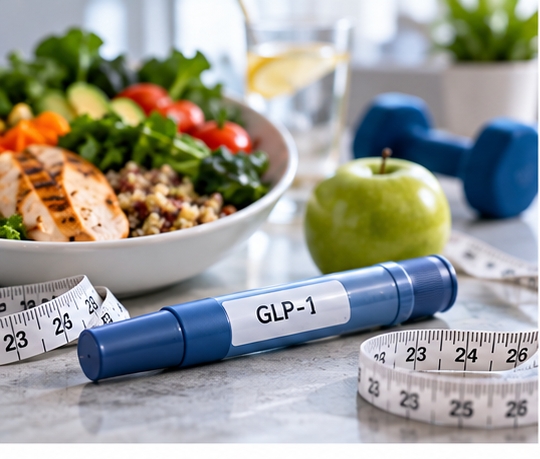
Over the past few years, few health topics have attracted as much attention as GLP-1 medications.
Originally associated primarily with diabetes treatment, medications in this broader therapeutic area have become an important part of the conversation around obesity and long-term weight management.
The change has become significant enough that the World Health Organization issued its first guideline on GLP-1 therapies for obesity in December 2025. WHO describes obesity as a chronic, relapsing disease and conditionally recommends certain GLP-1 therapies for long-term treatment in adults with obesity, excluding pregnant women.
So what exactly are these medications, and what should someone know before considering them?
What Are GLP-1 Medications?
GLP-1 stands for glucagon-like peptide-1, a naturally occurring hormone involved in several processes related to blood sugar and appetite.
Medicines that act on this pathway can help regulate blood glucose and reduce appetite, which may lead to significant weight loss for some patients.
Among the therapies addressed by WHO’s obesity guideline are liraglutide, semaglutide and tirzepatide.
However, these are prescription medicines—not ordinary weight-loss supplements.
Why Have They Become So Popular?
Historically, losing a substantial amount of weight and keeping it off through lifestyle interventions alone can be difficult for people living with obesity.
GLP-1-based treatments have changed what may be achievable medically for some patients.
But their popularity has also created misconceptions.
These medications aren’t a replacement for every other aspect of health.
WHO specifically emphasizes a comprehensive approach to obesity treatment that includes healthy eating, regular physical activity and support from health professionals.
Are There Side Effects?
Like virtually all medications, GLP-1 therapies can cause side effects and aren’t appropriate for everyone.
The specific risks depend on the medication and individual patient. This is one reason they should be prescribed and monitored by a qualified healthcare professional rather than purchased from questionable online sources.
WHO has also warned that enormous demand has contributed to falsified and substandard GLP-1 products entering the market.
That makes the source of the medication particularly important.
What Happens After You Lose Weight?
This is becoming one of the most important questions surrounding these medications.
Obesity is increasingly treated as a chronic condition rather than something that can always be “fixed” with a short course of treatment.
People considering medication should therefore discuss long-term treatment expectations with their healthcare provider.
Questions worth asking include:
- What results are realistic for me?
- What side effects should I watch for?
- How will my progress be monitored?
- How does this interact with my other medications?
- What happens if treatment is discontinued?
- What dietary and exercise changes should accompany treatment?
The Bottom Line
GLP-1 medications represent an important development in obesity care, but they’re not miracle drugs.
Successful weight management still involves a much broader picture that can include nutrition, movement, sleep, psychological well-being and professional medical care.
If you’re considering a GLP-1 medication, start with a qualified healthcare professional who can determine whether it’s appropriate for your individual health situation.