
Many of us spend an enormous portion of the day sitting.
We sit while working.
We sit while driving.
We sit while eating.
Then we finish the day sitting in front of a television or scrolling through our phones.
The human body, however, benefits from regular movement.
WHO estimates that roughly one in three adults globally doesn’t get enough physical activity.
The good news is that becoming more active doesn’t necessarily mean spending hours at the gym.
Movement Is Bigger Than Exercise
When people hear “physical activity,” they often picture running or lifting weights.
But movement can include:
Walking.
Cycling.
Playing with your children.
Doing household chores.
Taking the stairs.
Gardening.
Dancing.
The important idea is to make movement a normal part of everyday life.
Why Physical Activity Matters
Regular physical activity is associated with benefits across several areas of health.
WHO notes that physical activity helps prevent and manage conditions including heart disease, hypertension, stroke and diabetes, while also benefiting mental health, body-weight management and overall well-being.
Start With Walking
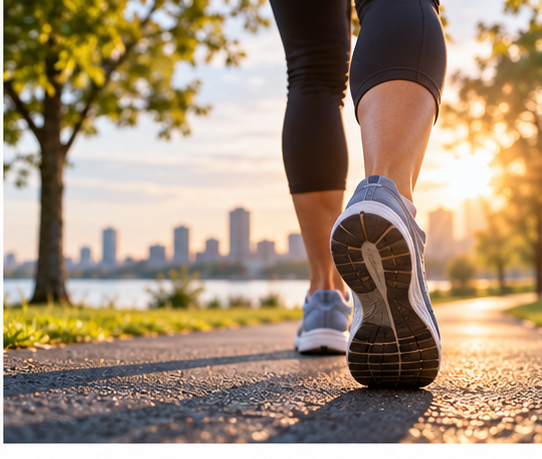
Walking is one of the simplest ways to become more active.
It requires little equipment and can often be incorporated into activities you’re already doing.
Try walking during a phone call.
Take a short walk after lunch.
Park slightly farther from your destination.
Walk to a nearby shop instead of driving when practical and safe.
A series of small changes can turn movement into a habit.
Break Up Long Periods of Sitting
If you work at a desk, try incorporating brief movement breaks into your routine.
You could stand while taking certain calls, refill your water periodically, walk around during breaks or perform a few stretches between tasks.
The goal isn’t perfection.
It’s to make prolonged inactivity less automatic.
Choose Something You Enjoy
The “best” exercise isn’t necessarily the activity that burns the most calories.
For many people, it’s the activity they’ll actually continue doing.
That might be:
- Walking
- Swimming
- Cycling
- Football
- Dancing
- Strength training
- Hiking
- Group fitness
Consistency matters.
Don’t Compare Your Starting Point
If you haven’t exercised regularly for years, your first goal doesn’t need to be running 10 kilometres.
Start at an appropriate level and build gradually.
People with medical conditions, symptoms, disabilities, pregnancy, or concerns about exercising safely should discuss appropriate activity with a healthcare professional.
Final Thoughts
You don’t need to transform into an athlete overnight to benefit from movement.
Look at your normal day and ask one simple question:
Where could I move a little more?
A walk here, a staircase there and fewer uninterrupted hours sitting down can help turn physical activity from a scheduled chore into part of everyday life.